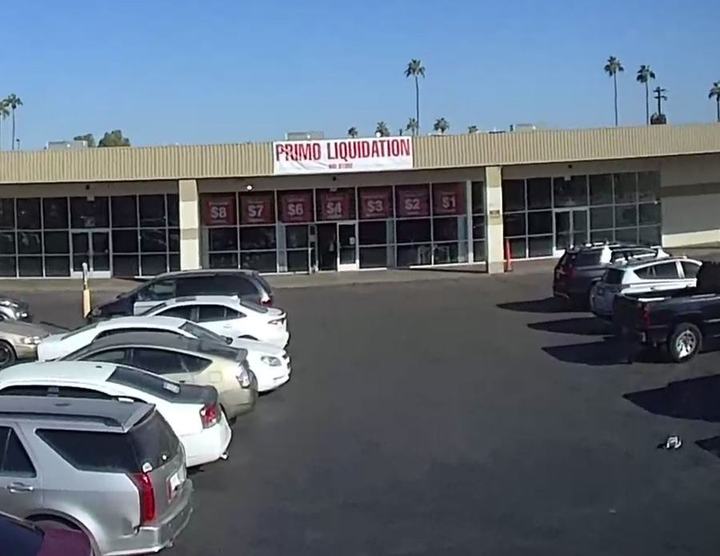
How a returns store actually works
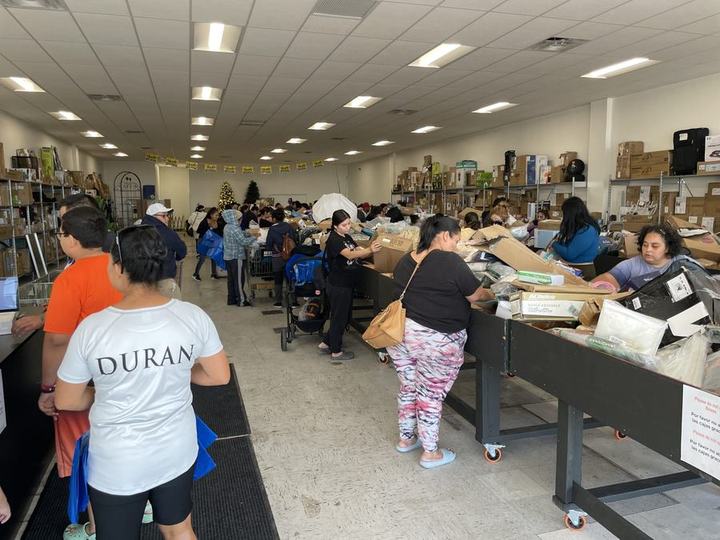
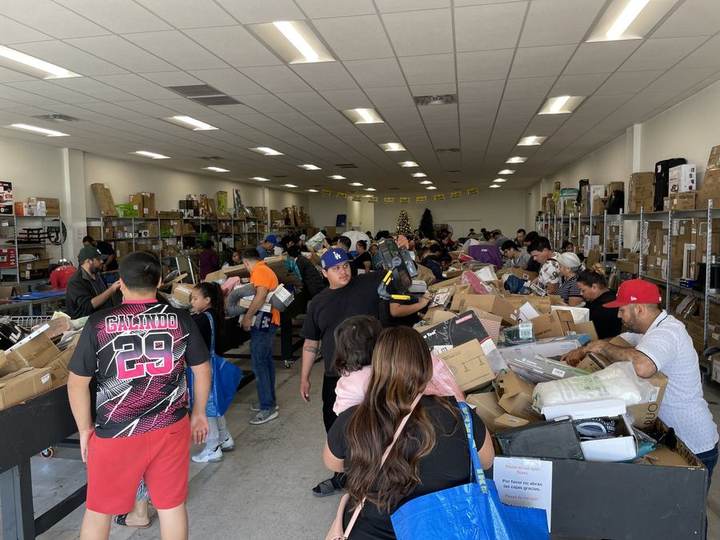
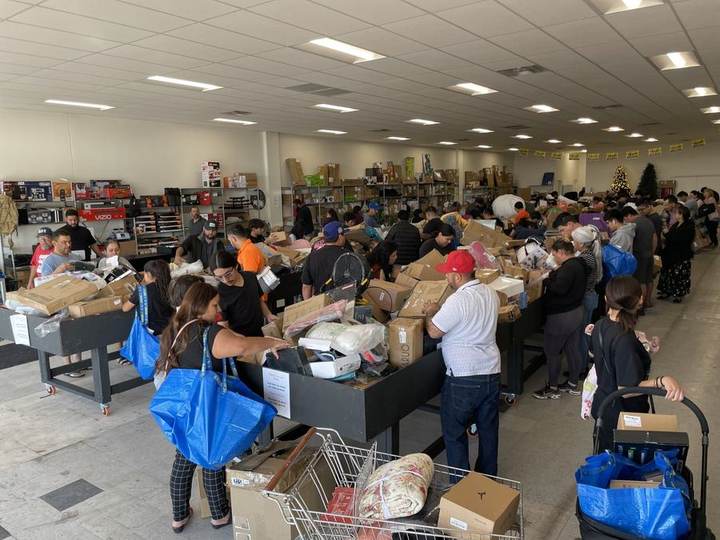
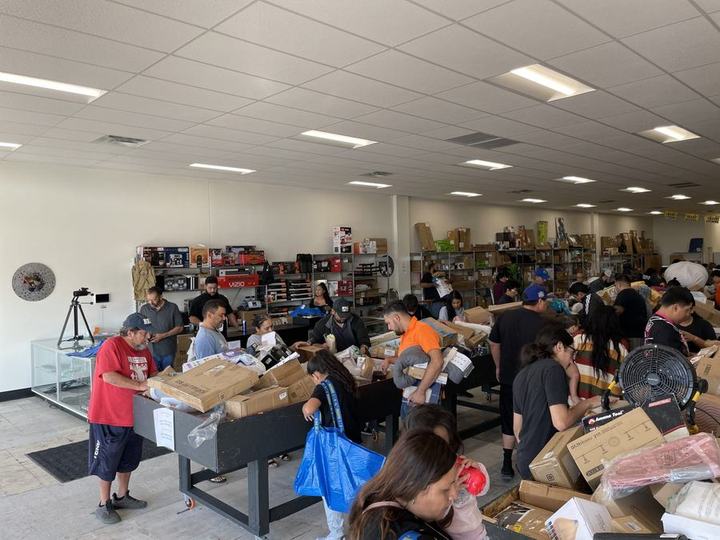
A returns store sells goods that went back to a retailer or a seller for some reason. The stock arrives in pallets or truckloads, often mixed, and the shop sorts it, sets it out, and sells it piece by piece. Some items are new in a sealed box, some were opened and put back, and some are damaged or missing parts.
The business model rests on buying a large lot at a low rate per item and selling it individually. That only works if the shop can tell quickly which pieces are worth shelf space and which are only good for parts or scrap. Sorting is the real work, not the selling.
- Expect stock to arrive in mixed condition, even when a lot is described as one category.
- Sorting and testing take more hours than most newcomers imagine.
- Sealed, opened, and damaged goods usually need three different selling paths.
- Lot descriptions are summaries, so treat them as a guide rather than a list.
- A returns shop earns its margin on volume handled well, not on any single find.